How To Train Trade Show Staff For Maximum Engagement
Trade shows are one of the most valuable opportunities for brands to generate leads, build awareness, and create meaningful face-to-face connections.
View our trade show staffing services.
But even the most visually impressive trade show booth can fall flat if the people representing your company aren’t properly prepared.
Whether you’re preparing an in-house team or hiring professional trade show staff, proper training can dramatically improve your return on investment.
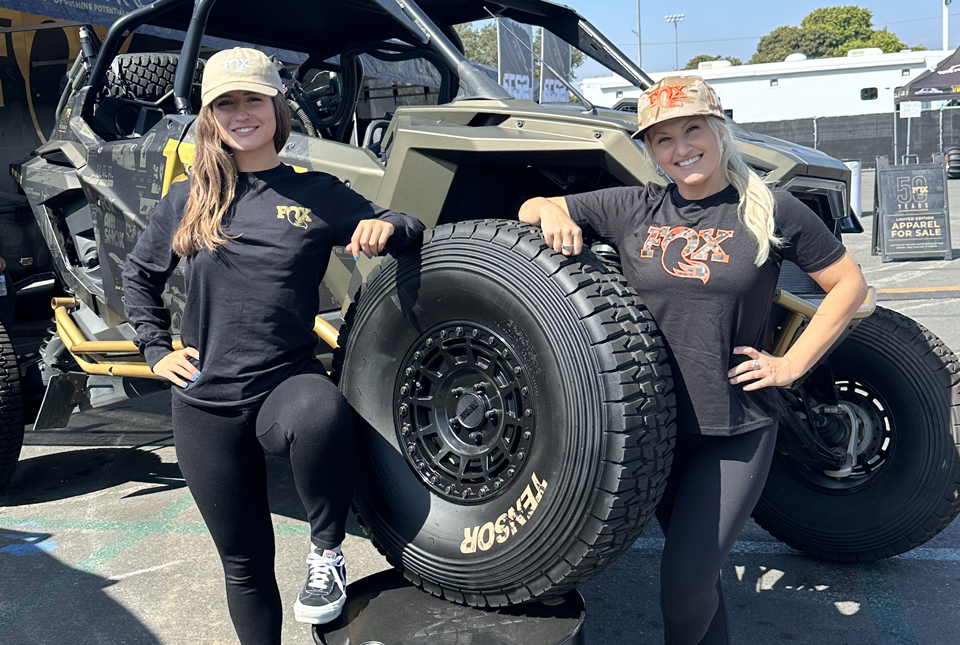
Here’s how to train trade show staff for maximum engagement and ensure every interaction counts.
START WITH CLEAR EVENT GOALS
Before training begins, your team should fully understand the objectives of the trade show. Why? Because different goals require different engagement strategies.
Common trade show goals include:
- Generating qualified leads
- Demonstrating a new product
- Booking meetings
- Increasing brand awareness
- Networking with industry partners
- Conducting market research
When your trade show staff understands the event goals, they can tailor their interactions accordingly and prioritize the right conversations.
TRAIN STAFF ON THE BRANDS MESSAGING
Consistency is critical at trade shows.
Every trade show staff member should be able to confidently communicate:
- The company’s mission
- Core products or services
- Key differentiators
- Target audience
- Elevator pitch
- Frequently asked questions
A strong elevator pitch should be concise, engaging, and easy to customize based on the attendee’s interests.
Encourage staff to sound natural rather than scripted. Attendees respond better to authentic conversations than rehearsed presentations.
TEACH EFFECTIVE BOOTH ENGAGEMENT TECHNIQUES
One of the biggest mistakes at trade shows is waiting for attendees to approach the booth. High-performing trade show staff proactively create opportunities for interaction.
Key engagement techniques include:
Open Body Language
Trade show staffing should be trained and reminded to:
- Stand at the front of the booth
- Smile frequently
- Maintain eye contact
- Avoid crossing arms
- Never sit or look at their phones
Approachable body language dramatically increases engagement.
Use Open-Ended Questions
Instead of asking something like “Can I help you?” staff should practice asking something like these examples:
“What brought you to the show today?”
“What challenges are you currently facing in your industry?”
“Have you used something like this before?”
Open-ended questions naturally lead to longer conversations.
Qualify Visitors Quickly
Staff should learn how to identify:
- Decision-makers
- Potential buyers
- Media representatives
- Competitors
- Students or general attendees
This helps prioritize valuable interactions while remaining polite to ALL visitors.
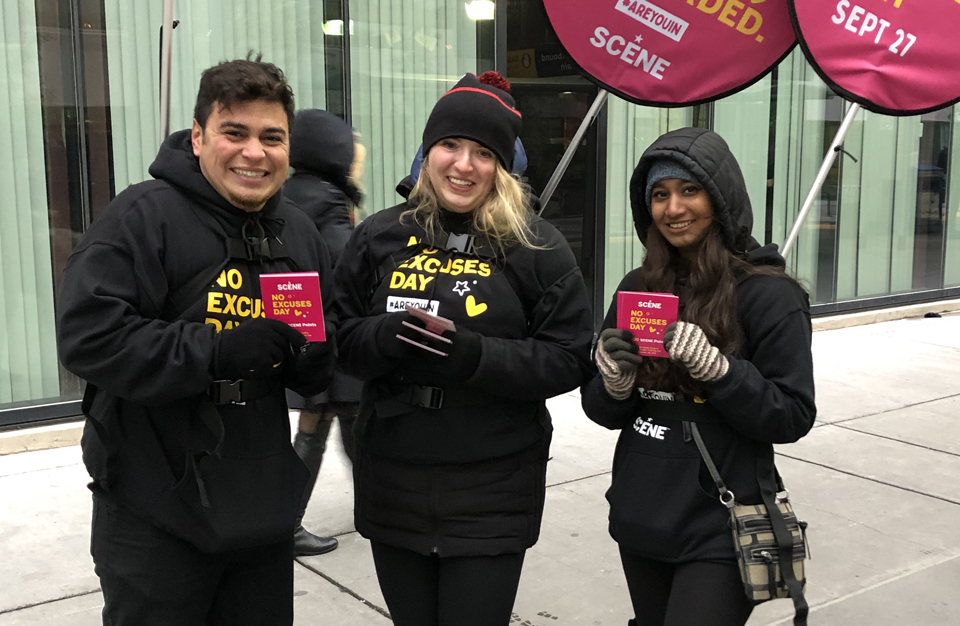
ROLEPLAY REAL TRADE SHOW SCENARIOS
One of the most effective training methods is roleplaying. Simulating realistic event interactions helps staff become more confident and adaptable.
Practice scenarios such as:
- Engaging hesitant attendees
- Handling difficult questions
- Responding to objections
- Delivering product demos
- Managing multiple visitors simultaneously
- Transitioning conversations to sales reps
Roleplay also helps identify weak points before the actual event.
FOCUS ON PRODUCT AND INDUSTRY KNOWLEDGE
Trade show attendees are often highly interested in the subject matter of the convention so they tend to ask detailed questions. Your staff should be equipped with enough knowledge to speak confidently and accurately.
Training should include:
- Product features and benefits
- Competitive advantages
- Industry terminology
- Common customer pain points
- Current market trends
Even promotional staff should understand the basics of your offerings so they can engage visitors intelligently and route leads appropriately. The best trade show staff take on self training and education on their own time leading up to the event.
TRAIN STAFF ON LEAD CAPTURE PROCEDURES
Engagement means little if valuable leads are lost or poorly documented.
Your team should know:
- How to use lead retrieval systems
- What information to collect
- How to categorize lead quality
- When to schedule follow-ups
- How to add notes after conversations
Establish a consistent process before the event begins.
PRO TIP: Create lead qualification categories such as:
- Hot Lead
- Warm Lead
- Future Opportunity
- Media Contact
- Partnership Prospect
This helps sales teams prioritize post-show follow-up efforts.
EMPHASIZE ENERGY AND PROFESSIONALISM
Trade shows can be physically exhausting.
Long hours, crowded environments, and constant conversations can drain energy quickly. The best trade show staff are naturally energetic but even the best can have off days.
Train your staff on ways to:
- Stay (or at least appear) enthusiastic throughout the day
- Maintain professional appearance standards
- Rotate breaks strategically
- Remain positive under pressure
- Avoid eating at the booth
- Keep conversations attendee-focused
Energy is contagious at events. A lively, enthusiastic booth naturally attracts more traffic which in turn attracts even more traffic. At the center of this attraction is the energy and personality of your trade show staff.
PREPARE FOR SOCIAL MEDIA CONTENT OPPORTUNITIES
Modern trade shows extend far beyond the exhibit floor. If planned and executed properly, the brand can reach just as many people digitally during and after the event as they did on site at the event
Consider training staff to:
- Encourage photo opportunities
- Promote branded hashtags
- Participate in live event coverage
- Capture attendee testimonials
- Direct visitors to online resources
This can significantly amplify your trade show marketing reach.
CONDUCT A PRE-SHOW TEAM BRIEFING
Before the event opens, hold a final team meeting to review all of the important points and reminders.
- Daily goals and targets
- Booth schedules
- Lead procedures
- Key messaging
- Product updates
- Staff responsibilities
- Emergency contacts
- Event logistics
A short daily recap during multi-day events can also help improve performance and address challenges in real time.
MEASURE PERFORMANCE AFTER THE EVENT
Training shouldn’t end when the trade show closes. Post-event evaluation is essential for improving future performance.
After the dust has settled and all attendees have gone home happy, you should review everything gathered and learned throughout the event.
- Lead quantity and quality
- Booth traffic
- Staff feedback
- Conversion rates
- Attendee engagement levels
- Common questions or objections
Identify what worked well and where additional training may be needed.
WHY TRADE SHOW STAFF TRAINING MATTERS
Attendees are constantly bombarded with visuals, messaging, and sales pitches at events. Your staff serves as the human connection that determines whether someone walks past your booth or stops to engage.
Well-trained trade show staff can:
- Attract more booth visitors
- Start meaningful conversations
- Qualify leads effectively
- Represent your brand professionally
- Increase product awareness
- Drive sales opportunities
- Create memorable customer experiences
On the other hand, poorly trained staff can unintentionally discourage visitors through passive behavior, lack of product knowledge, or overly aggressive sales tactics.